
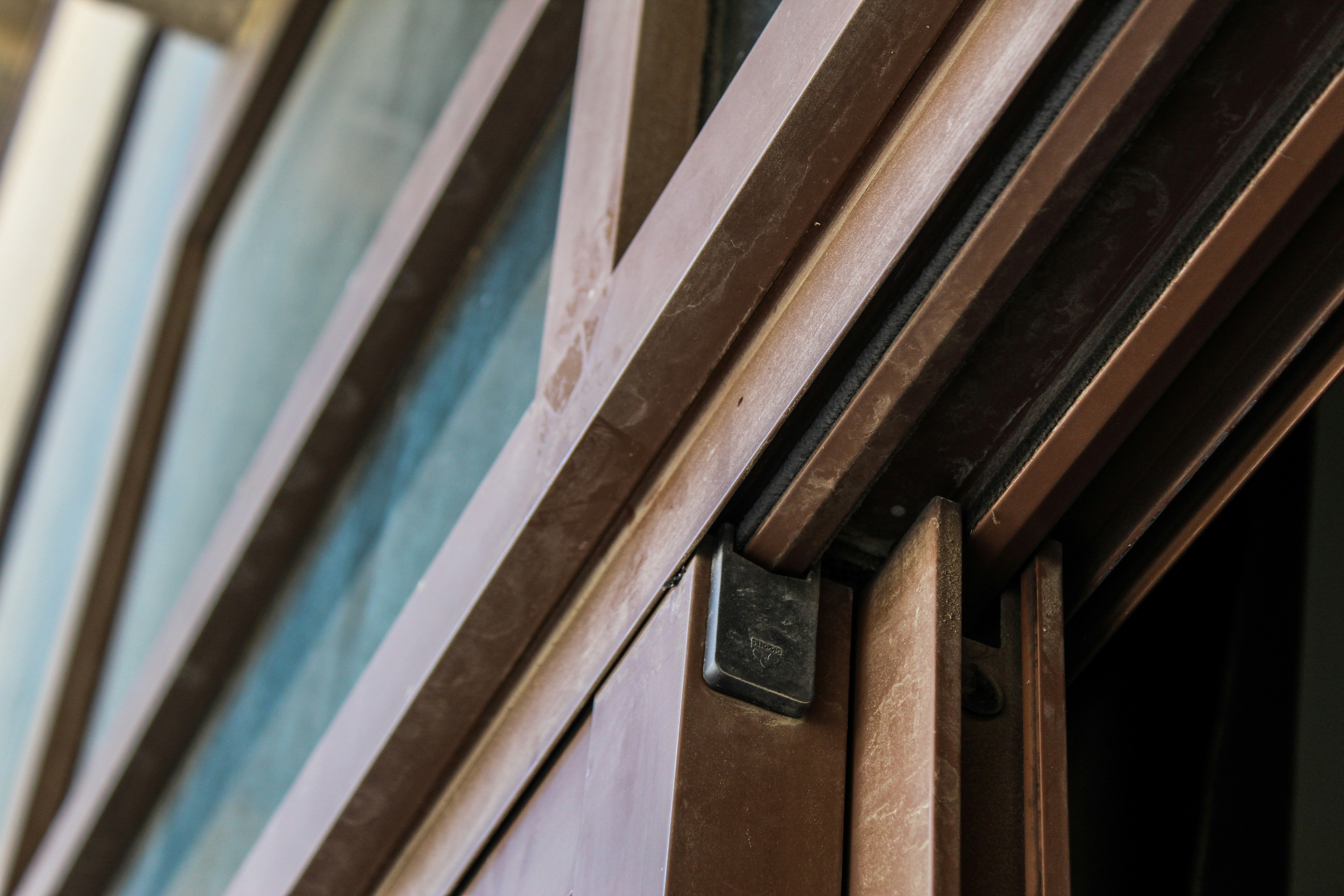
Introduction to Door Sliding UPVC
Sliding doors made from Unplasticized Polyvinyl Chloride (UPVC) have gained significant traction in both residential and commercial sectors. This growing popularity can be attributed to their exceptional properties and practical benefits. UPVC is known for its durability, weather resistance, and energy efficiency, making it an excellent choice for door solutions.
One of the key advantages of sliding UPVC doors is their energy efficiency. They are designed to prevent heat loss during winter and reduce the need for air conditioning in summer. This inherent ability to maintain indoor temperatures contributes to lower energy bills, thereby appealing to environmentally conscious consumers and those looking to reduce energy expenditure.
In terms of durability, sliding UPVC doors are robust and resistant to the wear and tear associated with daily use. Unlike wooden doors, which may warp or require periodic painting, UPVC provides a stable structure that can withstand different climatic conditions without losing its appeal. This low maintenance characteristic is particularly beneficial for individuals who desire aesthetics along with functionality without the added burden of intensive upkeep.
Furthermore, the versatility of sliding UPVC doors allows them to fit a multitude of applications. Whether it is creating seamless indoor-outdoor transitions in a home or providing wide entrances in commercial spaces, these doors ensure a modern look that enhances any setting. Their availability in various designs, colors, and finishes further augment their appeal, allowing homeowners and business owners alike to select styles that best match their architecture and personal taste.
Overall, the features and advantages presented by sliding UPVC doors underscore their suitability for a range of environments, solidifying their place as a preferred choice in contemporary design.
Understanding UPVC Material
Unplasticized Polyvinyl Chloride (UPVC) is a widely used material in the construction and home improvement industries, particularly for sliding doors. Its unique composition sets it apart from traditional materials like wood and aluminum. UPVC is essentially a form of plastic that is rigid and durable, which makes it an optimal choice for exterior applications.
One of the most significant characteristics of UPVC is its excellent resistance to weather conditions. Unlike wood, which can warp or rot when exposed to moisture, UPVC remains unaffected by rain, humidity, and temperature fluctuations. This aspect is crucial for sliding doors, as they are often installed in areas susceptible to varying weather patterns. Similarly, UPVC does not suffer from corrosion like aluminum, ensuring longevity and requiring minimal maintenance.
In terms of thermal insulation, UPVC offers superior benefits. Its insulating properties ensure that heat transfer is minimized, leading to energy efficiency in homes. This can result in lower heating and cooling costs, making UPVC sliding doors an economically viable option. Moreover, this insulation contributes to soundproofing, allowing for a quieter indoor environment compared to conventional wooden doors.
Furthermore, UPVC is acknowledged for its sustainability. It can be recycled at the end of its lifespan, thereby reducing environmental impact. The manufacturing process of UPVC also involves fewer toxins compared to other materials, making it a more environmentally friendly option for sliding doors. Overall, the blend of durability, weather resistance, insulating properties, and sustainability makes UPVC an increasingly popular choice for homeowners and builders alike.
Advantages of Sliding UPVC Doors
Sliding UPVC doors have emerged as a popular choice among homeowners and designers alike for several compelling reasons. One of the primary benefits is their energy efficiency. UPVC materials offer excellent insulation properties, which help to regulate indoor temperatures by reducing heat loss during colder months and keeping interiors cool in the summer, thereby contributing to lower energy bills.
Another advantage of sliding UPVC doors is their space-saving design. Unlike traditional hinged doors that swing open, sliding doors glide smoothly on a track, making them ideal for areas with limited space. This design not only maximizes usable space but also provides a seamless transition between the indoor and outdoor environments, enhancing the overall flow of a home.
Ease of use is a significant factor in the appeal of sliding UPVC doors. They operate effortlessly, allowing even the youngest family members or elderly individuals to open and close the doors without difficulty. This accessibility is particularly beneficial in patios or balconies where frequent movement is common.
Aesthetic appeal also plays a crucial role in the popularity of sliding UPVC doors. Available in various styles, colors, and finishes, these doors can complement any architectural design, enriching the visual charm of homes. Their extensive glazing allows for abundant natural light while offering homeowners unobstructed views of the outside world.
In terms of security, modern sliding UPVC doors come equipped with advanced locking mechanisms, making them a secure option for homeowners. The robustness of UPVC materials adds an additional layer of protection against intrusions.
Lastly, choosing sliding UPVC doors is an environmentally friendly option, as UPVC is a recyclable material. The longevity and minimal maintenance requirements of UPVC further contribute to its sustainability, making it a responsible choice for the eco-conscious homeowner.
Styles and Designs of Sliding UPVC Doors
Sliding UPVC doors are not only functional but also an essential aspect of modern interior and exterior design. Their versatility allows homeowners and designers to choose from a plethora of styles and finishes that can complement various architectural aesthetics. One of the foremost considerations when selecting sliding UPVC doors is the configuration. Common options include two-panel and three-panel designs, as well as bi-fold configurations that can open up spaces for a seamless transition between indoor and outdoor areas.
The two-panel sliding doors are typically used in spaces where a single wide opening is desired. They can be customized with various glazing options to enhance natural light infiltration while maintaining energy efficiency. For larger openings, three-panel sliding doors provide expansive views with an increased flow of light, making them particularly popular for locations with scenic vistas.
Bi-fold designs are particularly appealing for those looking to merge their indoor and outdoor spaces. When fully opened, bi-fold doors create an unobstructed entryway, making them ideal for patios or as a transition to gardens. The design can be tailored to suit both traditional and contemporary homes, allowing homeowners to maintain their desired interior style.
Color choices and finishes are another critical aspect of sliding UPVC doors. Manufacturers offer various colors, from classic whites and neutrals to bold hues, enabling customization that aligns with a property’s decor. Wood-grain finishes are also available, providing a natural aesthetic without the maintenance demands of actual wood. Furthermore, UPVC can be combined with different hardware styles that contribute to the overall appearance, enhancing both functionality and visual appeal.
In summary, sliding UPVC doors are available in several styles and designs, with customization options that allow homeowners to achieve a desired look while enjoying the practical benefits that these doors offer. From color choices and finishes to diverse configurations, such doors can significantly enhance the overall decor of a property while providing efficient access and visibility.
Choosing the Right Sliding UPVC Door for Your Space
When selecting a sliding UPVC door, understanding your space and personal style preferences is paramount. Firstly, assessing the size of the area where the door will be installed can significantly influence your choice. Measure the width and height of the entryway to ensure a perfect fit, as sliding UPVC doors come in various sizes. It is essential to choose a door that not only fits within the dimensions of your room but also complements the overall layout.
Moreover, design compatibility should be a key consideration. Sliding UPVC doors are available in multiple styles, from traditional to contemporary. Consider the aesthetic of your home; for instance, a sleek, modern sliding door may suit a minimalist interior, while a more decorative option may be better suited for vintage-style homes. The finish and colors available in UPVC doors also allow for extensive customization, enabling you to select tones that harmonize with your existing color palette.
Functionality is another crucial element. Determine the specific purpose of the sliding door, whether it is for connecting indoor spaces with outdoor areas, allowing light to flow through your home, or simply providing a picturesque view. For rooms with limited wall space, opting for a pocket sliding UPVC door could be a practical solution, as it disappears into the wall when opened. Additionally, various room types might have specific requirements; for example, doors used in high-traffic areas may need enhanced durability, while doors leading to a patio might benefit from enhanced energy efficiency features.
Ultimately, the right sliding UPVC door should reflect both your functional needs and personal style preferences, creating a seamless transition that enhances the beauty and utility of your space.
Installation Process of Sliding UPVC Doors
Installing sliding UPVC doors involves several systematic steps that ensure both functionality and aesthetics. First, it is crucial to gather the necessary tools and materials. Common tools include a drill, level, measuring tape, screwdriver, and utility knife. Additionally, make sure to have clear safety goggles and gloves for protection during the installation.
The initial step in the installation is to measure the door frame accurately. Determine the height and width to ensure that your selected sliding door fits perfectly. Once the measurements are confirmed, prepare the opening by removing any old doors and cleaning the area, ensuring it is free of debris and obstacles.
Next, assemble the sliding UPVC door panels according to the manufacturer’s instructions. Most kits come with detailed assembly guides that illustrate how each piece fits together. Carefully align the rollers at the bottom of the door panel and attach them using screws. Once assembled, it is time to lift the panels into place. It is advantageous to have a helper during this stage to hold the door steady.
After the door is in position, ensure it is level by using your level tool, making adjustments as necessary. Secure the door frame by fastening it to the wall studs using screws. It is essential to check that the sliding mechanism operates smoothly, adjusting the rollers if there are any issues. Once satisfied, proceed to install additional hardware like the handle and locking mechanism.
For those who are not confident in their DIY capabilities, hiring a professional installer may be a prudent decision. They bring experience and expertise, ensuring that the sliding UPVC doors are installed correctly and efficiently. Regardless of the installation method chosen, following safety protocols and manufacturer guidelines will yield the best results.
Maintenance and Care for Sliding UPVC Doors
Maintaining your sliding UPVC doors is crucial for ensuring their longevity and functionality. Regular care can prevent issues such as misalignment, squeaking, or deterioration of seals. One of the most important maintenance tasks involves regular cleaning. It is recommended to clean both the door’s glass panels and the frame with non-abrasive cleaners to avoid scratches. Dust and dirt can accumulate on the tracks, leading to obstruction, so it is essential to keep these areas free from debris.
In addition to cleaning, lubrication of the tracks and rollers should be performed periodically. Using a silicone-based lubricant helps the sliding mechanism to operate smoothly, while preventing wear and tear. A simple application along the tracks can significantly improve the ease of movement and reduce noise. It is advisable to check the rollers to ensure they are not damaged or worn out; if they are, consider replacing them to enhance the overall performance of the door.
Furthermore, inspecting the seals around your UPVC doors is vital in maintaining their energy efficiency. These seals help prevent drafts and moisture from entering your home. If you notice any cracks or signs of wear, it is crucial to replace them promptly to maintain an effective barrier. Finally, should you encounter common issues such as squeaking or misalignment, addressing these problems early can save you from more extensive repairs later on. If the door doesn’t glide smoothly, check for obstructions or misaligned rollers that could be adjusted for proper alignment.
Common Issues with Sliding UPVC Doors and Their Solutions
Sliding UPVC doors are a popular choice for many homeowners due to their aesthetic appeal and functionality. However, like any door system, they may encounter certain common issues over time. By understanding these challenges, homeowners can effectively implement solutions to maintain the performance and longevity of their doors.
One of the most frequent problems faced by users is sticking or difficulty in sliding the doors. This issue often arises due to dirt or debris accumulation in the track. To resolve this, it is advisable to regularly clean the track and ensure it is free from obstructions. Occasionally, applying a lubricant specifically designed for sliding doors can help enhance the sliding mechanism and reduce friction.
Another common issue is draftiness, which can undermine the energy efficiency of a home. This usually occurs when the seals around the door become damaged or worn out. Inspecting the perimeter of the sliding door for any visible gaps or damaged seals is crucial. If gaps are identified, replacing the weather stripping or the seal can significantly improve insulation, ensuring that the door operates effectively against the elements.
Additionally, UPVC doors may also suffer from misalignment. If a door appears to be hanging unevenly or does not close correctly, this misalignment may be to blame. Homeowners can attempt to realign the door by adjusting the roller height or tightening screws on the door frame. It may be beneficial to consult a professional if the misalignment persists, as incorrect handling can exacerbate the issue.
In summary, by proactively addressing these common problems—sticking, draftiness, and misalignment—homeowners can ensure their sliding UPVC doors remain functional and visually appealing for years to come.
Conclusion and Future Trends in Door Design
In conclusion, door sliding UPVC systems have emerged as a preferred choice among homeowners and builders due to their numerous benefits, such as energy efficiency, durability, and low maintenance. The versatility of UPVC allows for a variety of design styles, catering to both contemporary and traditional aesthetics. As discussed, the materials used in UPVC door production contribute significantly to the longevity and performance of these systems, making them a worthwhile investment.
Looking ahead, the future of door design is likely to be shaped by innovative technologies and sustainability initiatives. As environmental awareness grows, manufacturers are increasingly focusing on eco-friendly materials and production methods. For door sliding UPVC, this means integrating recycled content into the manufacturing process and developing products that require fewer resources both in production and in lifecycle management.
Additionally, advancements in smart home technology are expected to influence door designs significantly. Features like keyless entry, remote access, and integration with home automation systems can enhance the functionality of door sliding UPVC options, providing increased security and convenience for homeowners. These innovations are not only user-friendly but also aim to improve energy efficiency by optimizing how doors seal and insulate spaces.
Overall, the evolution of door design, particularly in the context of door sliding UPVC, will likely focus on harmonizing aesthetic appeal with functionality and sustainability. As consumers become more conscious of their choices, it is anticipated that manufacturers will continue innovating to meet these demands, ultimately leading to more refined and eco-friendly door solutions in the marketplace.
